Hands-free trading software promises a way to trade without constant screen time, but jumping in without knowing what to expect can lead to surprises. Many beginners overlook key details like risk management, drawdown, and how AI systems like the HALO AI Trading Engine actually operate. This guide breaks down what you need to understand before you turn it on, helping you choose the right strategy with clear pricing and ongoing support. Explore our comprehensive guide for further insights.
Understanding Hands-Free Trading
Imagine trading without being glued to your screen all day. That’s the promise of hands-free trading, but it requires some understanding to navigate effectively.
What is Hands-Free Trading Software?
Hands-free trading software automates the buying and selling of financial instruments. Picture it as a digital assistant that handles trades based on pre-set criteria. This allows you to focus on other tasks while your trades are executed. The software uses algorithms to identify trade opportunities, reducing emotional decision-making. However, it’s vital to understand the system’s settings and operations to avoid unexpected results.
There are several types of automated trading solutions. Some are standalone applications you install, while others are web-based. Many offer customization options, allowing you to adjust settings according to market conditions or personal strategies.
AI Trading and the HALO AI Trading Engine
Enter the HALO AI Trading Engine, a game-changer in automated trading. Unlike traditional systems, HALO leverages machine learning to adapt to market changes. This means it can refine its strategies based on real-time data, providing a smarter way to trade.
HALO goes beyond basic automation. It analyzes vast amounts of data, identifying patterns and executing trades with precision. This adaptability gives you an edge, but understanding how HALO works is crucial for optimal performance. HALO is designed to think, not just follow signals, making it a standout choice in AI trading solutions.
Choosing the Right Automated Forex Solutions
Selecting the right automated solution can transform your trading experience. Consider your risk tolerance and financial goals. With many options available, finding a system that fits your needs is essential.
Think about diversification. A portfolio of strategies can spread risk and improve potential returns. Some platforms offer access to Expert Advisors or PAMM accounts, providing professional management and diverse strategies. Researching and comparing different systems will help you make an informed decision, ensuring your choice aligns with your trading objectives.
Managing Risks and Expectations
Understanding trading software is just the beginning. Managing risks and setting realistic expectations are equally important for long-term success.
Importance of Risk Management and Position Sizing
Managing risk is key to successful trading. It involves determining how much capital to risk on each trade. Position sizing is crucial here. By deciding the portion of your portfolio to allocate to each trade, you maintain control over potential losses.
Consider using stop-loss orders. These automatically sell a position when it reaches a certain price, limiting potential losses. Understanding risk management ensures you’re not overexposed and helps protect your capital during market fluctuations.
Understanding Drawdown and Maximum Risk per Trade
Drawdown measures the decline from a peak to a trough in your trading account. Monitoring drawdown helps you gauge the risk of your trading strategy. It’s normal to experience drawdowns, but keeping them within a manageable range is vital.
Maximum risk per trade is another key concept. It defines the most you’re willing to lose on a single trade. Setting this limit helps maintain discipline and prevents substantial losses. By understanding these concepts, you prepare yourself for the ups and downs of trading.
Backtesting vs Live Trading: What to Expect
Before using a trading system, it’s crucial to understand the difference between backtesting and live trading. Backtesting involves testing a strategy using historical data to evaluate its potential performance. While valuable, it doesn’t guarantee future success.
Live trading, on the other hand, involves executing trades in real market conditions. Factors like broker spreads and slippage can affect performance. It’s essential to transition cautiously from backtesting to live trading, adjusting your strategy based on real-world results to ensure continued success.
Selecting and Monitoring Strategies
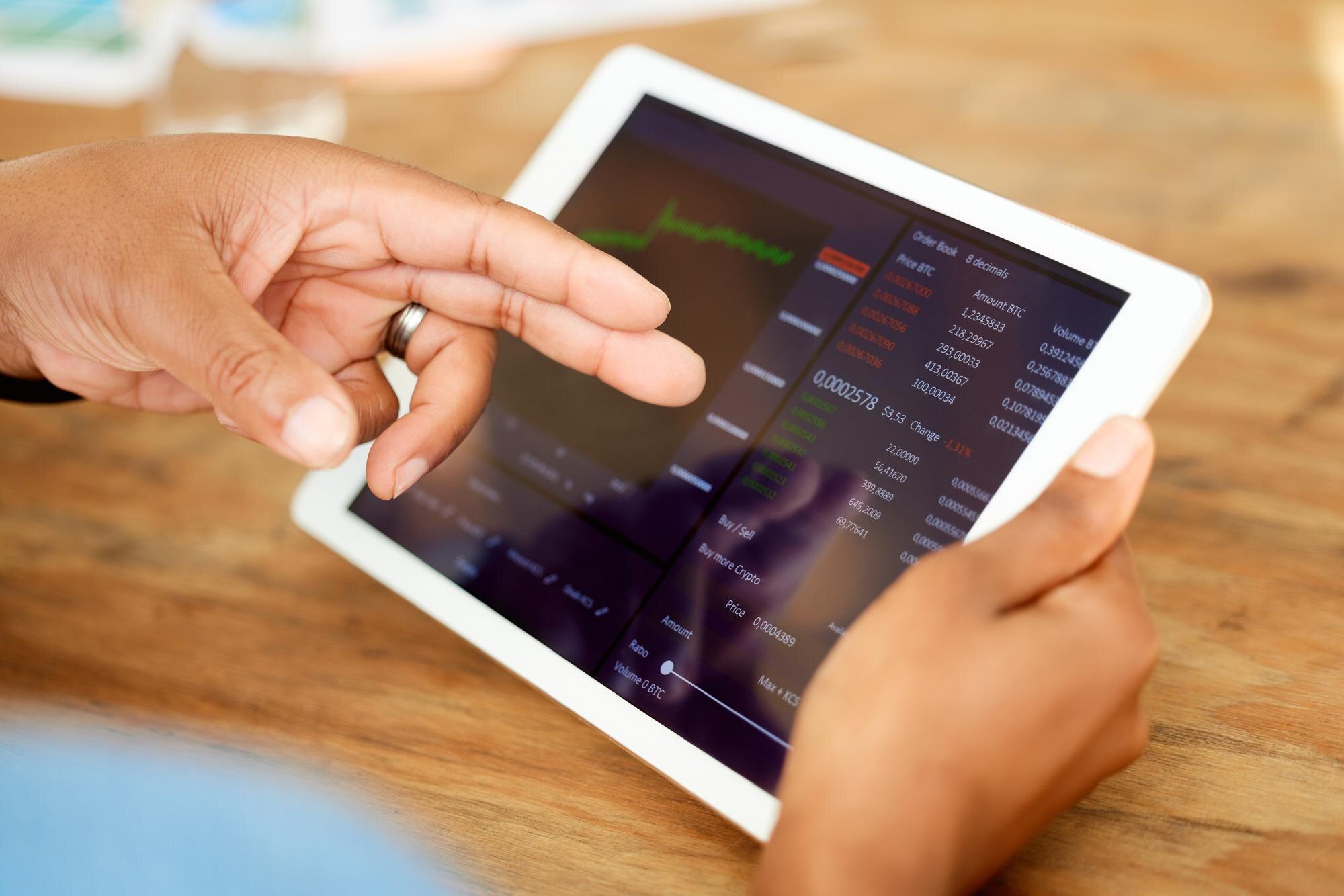
With a foundational understanding of trading software and risk management, the next step is selecting and monitoring your strategies effectively.
Diversification with Expert Advisors and PAMM Accounts
Diversification spreads risk across various strategies and instruments. Expert Advisors (EAs) automate trading decisions based on pre-defined criteria. Using multiple EAs can provide a balanced approach, mitigating risk.
PAMM accounts offer professional management, pooling funds from multiple investors for trading. This approach benefits those seeking hands-off management with expert oversight. Diversifying through EAs and PAMM accounts can enhance your trading experience, providing stability and potential growth.
Role of Transparent Pricing and Live Performance Dashboard
Transparent pricing builds trust and helps you make informed decisions. Knowing the costs upfront prevents surprises. Look for platforms that offer clear pricing without hidden fees.
A live performance dashboard provides real-time insights into your trading activities. It allows you to track performance, analyze data, and adjust strategies as needed. This transparency enhances your understanding of how your trades are performing, empowering you to make better trading decisions.
VPS Requirements, Broker Spreads, and Slippage
Using a Virtual Private Server (VPS) ensures your trading software runs smoothly without interruptions. A reliable VPS minimizes downtime, crucial for automated trading.
Understanding broker spreads and slippage is also important. Spreads are the difference between the bid and ask price, while slippage occurs when a trade is executed at a different price than expected. Both can impact profitability, so selecting a broker with competitive spreads and efficient execution is vital for maintaining your system’s performance.
Conclusion
In the world of hands-free trading, knowledge is power. By understanding software, managing risks, and selecting the right strategies, you position yourself for success. Embrace the possibilities of AI-driven trading, and watch your trading journey transform.