
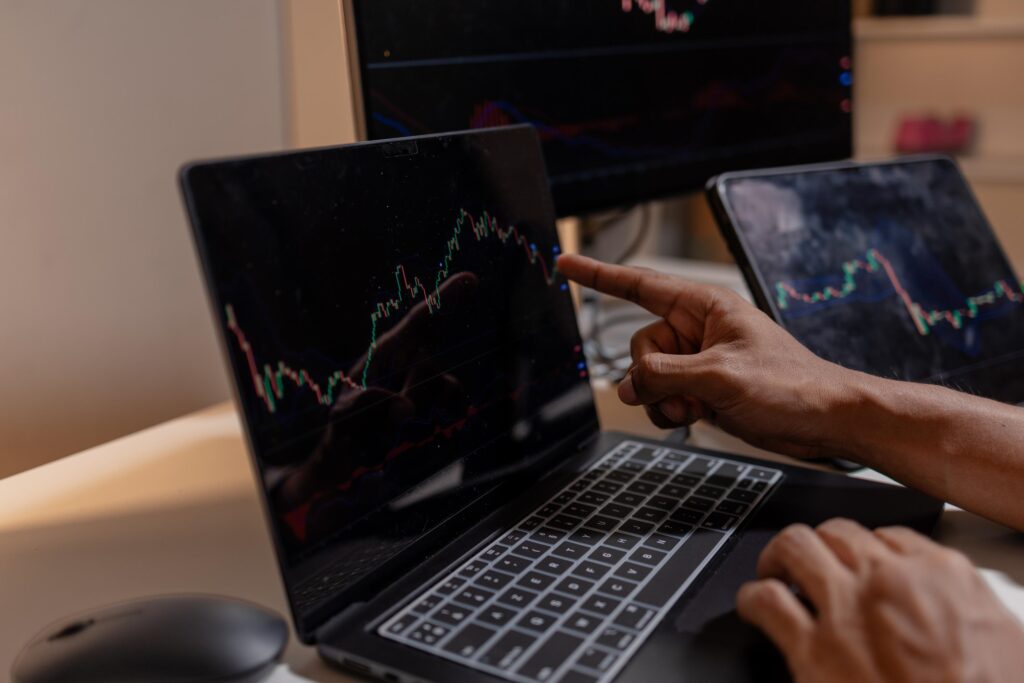
Many autonomous trading platforms promise hands-free profits, but few deliver clear, risk-managed results you can trust. You need more than flashy claims—you need a checklist that cuts through the hype and shows what really matters. This guide walks you through key factors to evaluate before you invest in an autonomous trading platform, helping you separate smart choices from costly mistakes. Learn more about automated trading here.
Key Factors in Autonomous Trading Platforms
How do you know if an autonomous trading platform is right for you? Let’s explore some key factors that make a difference in your trading experience.
Evaluating AI Trading Capabilities
The heart of any autonomous trading platform is its AI engine. Assess how the AI processes data and makes trading decisions. Look for platforms like The Trading Hub’s HALO AI, which uses machine learning to adapt to real-time market conditions. This adaptability helps you avoid the pitfalls of static, rule-based systems that don’t evolve. Additionally, review the AI’s track record. How often does it update its strategies? Does it test in live conditions or rely solely on backtests? The answers to these questions will give you insights into the AI’s sophistication and reliability as a trading partner.
Assessing Risk Management Features
A good trading platform prioritizes risk management. Check if the platform has built-in safety features that protect your investments. Look for tools that pause trading when the market is volatile. This approach minimizes losses and keeps your capital safe. Also, verify if the platform offers customizable risk settings. This flexibility allows you to align the trading strategy with your risk tolerance. Without these features, you might expose yourself to unnecessary risks that could harm your financial goals.
Importance of Transparent Pricing
Transparency in pricing is a must. Some platforms lure you in with low initial fees but surprise you with hidden costs later. Choose platforms that offer clear, detailed pricing structures without hidden fees. This transparency builds trust and allows you to budget your investments accurately. Platforms like The Trading Hub provide straightforward pricing, helping you focus on your trading, not deciphering costs.
Detailed Checklist for Traders

Now that you know the key factors, let’s dive into a checklist to ensure you’re making the right choice.
Understanding Drawdown Control
Drawdowns are inevitable, but they shouldn’t be devastating. A platform should have robust drawdown control mechanisms that minimize the impact of losing trades. Investigate how the platform handles drawdowns. Does it have stop-loss orders in place? Can you set your own limits? By understanding these controls, you can better manage potential losses and protect your investments.
Reviewing Live Performance Dashboard
A live performance dashboard is crucial for real-time insights. Such tools allow you to track trades, view market trends, and assess your portfolio’s performance. Platforms with transparent dashboards foster trust and enable informed decision-making. Look for features that give you a clear view of your trading activities and help you adjust strategies as needed.
Examining Broker Compatibility
Compatibility with reliable brokers is essential. Your trading platform should integrate seamlessly with reputable brokers, ensuring smooth trade executions. Check if the platform supports the brokers you prefer. This compatibility guarantees you won’t face technical issues when executing trades, which can be costly if not addressed promptly.
Comparing Trading Strategies
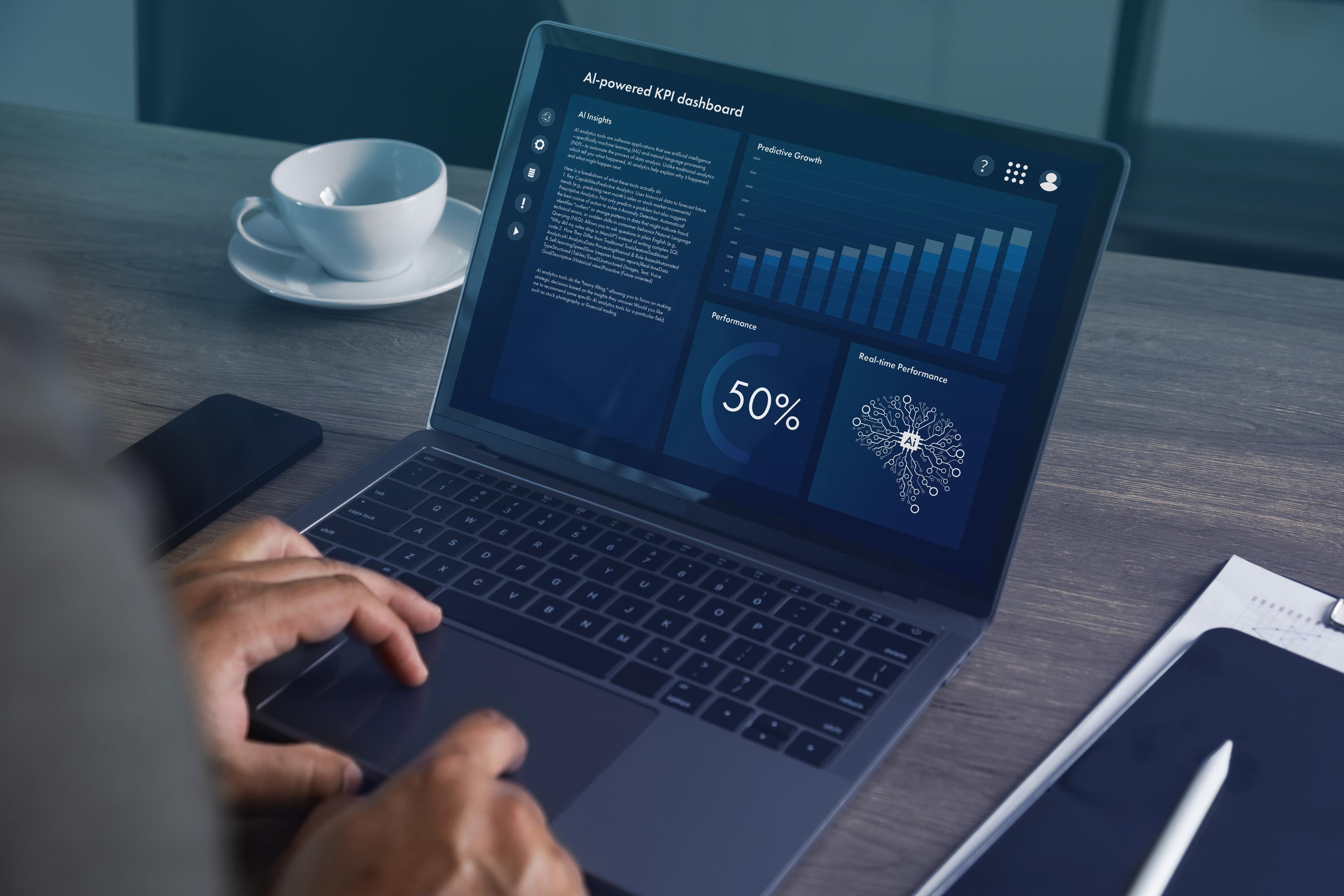
Understanding different trading strategies helps you choose the best approach for your needs.
Strategy Diversification and Risk-Adjusted Returns
Diversification reduces risk, and a platform should offer various strategies to balance your portfolio. Explore platforms with a diverse Expert Advisors portfolio. These platforms allow you to switch strategies as market conditions change, optimizing risk-adjusted returns.
Copy Trading vs PAMM Account Solutions
Copy trading lets you mirror successful traders, while PAMM accounts have a manager trade on your behalf. Each method has advantages; copy trading offers control, while PAMM accounts provide professional management. Choose what’s best based on your experience and confidence level.
Importance of Trade Execution Quality
Execution quality affects profitability. Ensure the platform has a high win rate, but also consider trade execution quality. This factor involves executing trades promptly and at the expected price. Platforms like The Trading Hub prioritize quality, ensuring you get the best results.
Frequently Asked Questions
What is an autonomous trading platform?
An autonomous trading platform uses AI to trade financial assets without human intervention. It analyzes market data to make informed decisions, offering a hands-free trading experience.
How does AI improve trading?
AI improves trading by processing large data sets and adapting to real-time market changes. This ability enables better decision-making and risk management, enhancing overall trading performance.
What should I look for in a trading platform?
Look for AI capabilities, risk management features, transparent pricing, and broker compatibility. These elements ensure a reliable and efficient trading experience.
Is it safe to use an autonomous trading platform?
Safety depends on the platform’s risk management features. Choose platforms with robust safety measures, such as stop-loss orders and drawdown controls, to protect your investments.
How can I ensure transparency in trading?
Select platforms with clear pricing models and live performance dashboards. These features provide insight into costs and trading activities, helping you make informed decisions.