Emotional decisions can turn even the smartest trader’s strategy upside down. You know how costly hesitation or impulse can be, especially in Forex markets. Autonomous trading powered by HALO AI strips away that emotional noise, delivering disciplined, consistent execution you can trust. In this post, you’ll see how hands-free trading with transparent pricing and real-time data helps you reduce emotional trading and stay focused on smart risk management. For more insights, check out this article.
The Pitfalls of Emotional Trading
Emotional trading can derail even the most well-thought-out strategies. When emotions take over, they can cloud judgment and lead to costly mistakes. Let’s explore how emotions impact trading decisions and the consequences that may follow.
Trading Psychology’s Impact
Trading psychology plays a crucial role in decision-making. When emotions run high, fear and greed can drive impulsive actions. This often results in poor timing, such as entering or exiting trades at the wrong moments. Emotional responses can override logical strategies, leading to inconsistency and inefficiency. Understanding the impact of emotions on trading can help you stay grounded and focused on your goals.
How Emotions Skew Judgment
Emotions can distort your perception of the market. Fear of loss might cause you to hold onto losing trades too long, hoping for a turnaround, while greed might push you to chase after high-risk opportunities without proper analysis. This emotional tug-of-war can result in missed opportunities and increased risks. By recognizing these emotional triggers, you can work towards minimizing their influence on your trading decisions.
Real-Life Consequences
The consequences of emotional trading are often financial. Traders may find themselves in a cycle of losses and frustration. Over time, this not only affects your portfolio but also your confidence. Real-life examples show that emotional trading can lead to significant financial setbacks. By focusing on maintaining a disciplined approach, you can reduce the risk of letting emotions dictate your trading outcomes.
How Autonomous Systems Help
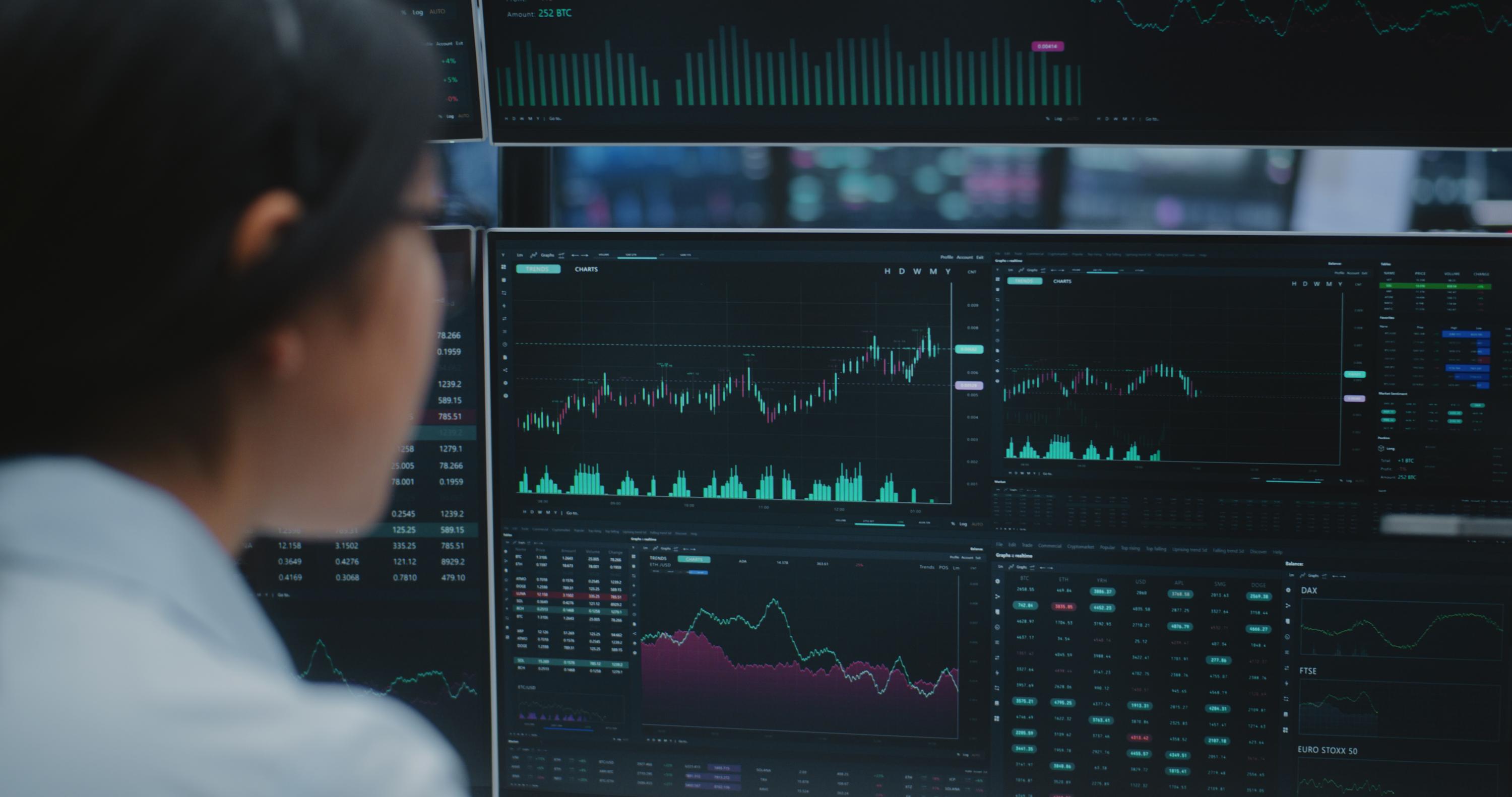
Autonomous trading systems can provide a solution to the pitfalls of emotional trading. By leveraging technology, these systems offer a structured approach to trading that is free from emotional interference.
Benefits of AI Trading Systems
AI trading systems bring multiple advantages to the table. They process real-time data, offering insights that are unbiased by human emotion. These systems can execute trades based on a set of predefined criteria, ensuring consistency and reliability. By using AI, you can benefit from data-driven decisions that adapt to market changes swiftly and accurately. Learn more about AI’s role in reducing emotional trading.
Reduce Emotional Trading Errors
AI systems reduce the likelihood of emotional errors by maintaining discipline in execution. They follow a strategic plan, avoiding impulsive decisions caused by external market pressures. This creates a stable trading environment where you can trust the process without second-guessing your moves. By minimizing emotional involvement, you can enhance your trading performance and focus on long-term success.
Achieving Discipline in Trading
Discipline is key to successful trading. Autonomous systems help you achieve this by sticking to a consistent approach. They ensure that trades are executed according to plan, even in volatile market conditions. This disciplined execution fosters a more stable portfolio and allows you to concentrate on strategic growth. For more on the benefits of automation in trading, check out this article.
HALO-Powered Strategies for Success

HALO AI offers a clear path to trading success through its combination of transparency, real-time performance, and hands-free execution.
Transparent Pricing and Real-Time Performance
Transparency is at the heart of HALO’s approach. With clear pricing structures and a live performance dashboard, you can monitor results without hidden fees or surprises. This transparency builds trust and allows you to make informed decisions based on actual performance data. Discover how transparency enhances trading in this study.
Portfolio Diversification with Expert Advisors
Diversifying your portfolio is essential to managing risk. HALO offers a variety of Expert Advisors to suit different strategies and risk appetites. This diversity ensures that your investments are well-balanced and aligned with your financial goals. By leveraging Expert Advisors, you can explore new trading opportunities while maintaining a disciplined approach.
Hands-Free Trading with HALO AI
Hands-free trading with HALO AI means you can enjoy the benefits of automation without losing control. HALO executes trades on your behalf, adhering to your chosen strategies and risk parameters. This allows you to focus on other aspects of your financial planning while your trading activities are managed efficiently and effectively.
Frequently Asked Questions
What is emotional trading?
Emotional trading occurs when decisions are driven by emotions like fear and greed rather than strategy. This can lead to impulsive actions and poor financial outcomes.
How do AI trading systems reduce emotional errors?
AI trading systems use data to make unbiased decisions. By following a predefined strategy, they eliminate emotional interference, ensuring consistent and disciplined execution.
What makes HALO AI different from other trading systems?
HALO AI offers transparency in pricing and real-time performance tracking. Its diverse strategy portfolio and hands-free approach allow for disciplined, unbiased trading.
Why is portfolio diversification important?
Diversification spreads risk across different investments, reducing the impact of market volatility on your portfolio. It helps maintain stability and long-term growth.
How can I track my trading performance with HALO?
HALO provides a live performance dashboard, offering real-time insights into your trading activities. This transparency ensures you stay informed and confident in your trading strategies.